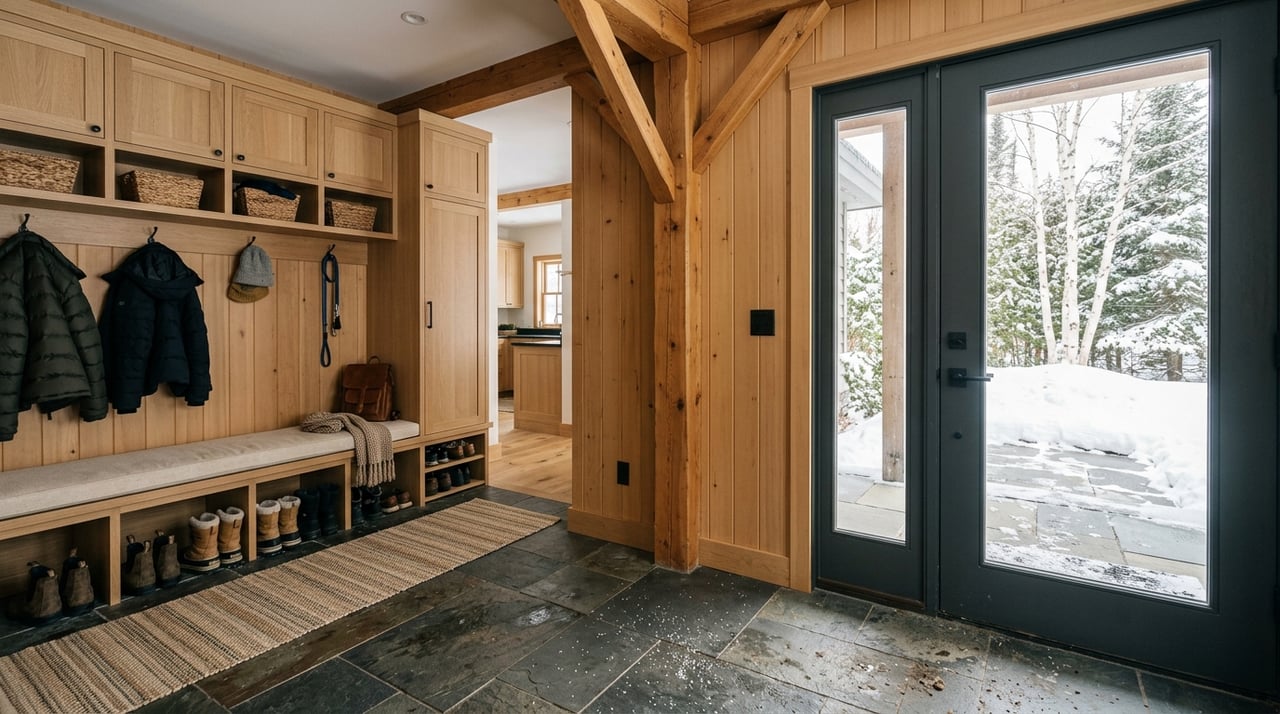
Thinking about a place in Elmore where you can paddle in summer, leaf peep in fall, and maybe stay cozy all winter too? That dream can look very different depending on whether you are buying a true seasonal camp or a year-round home. If you are searching in Elmore, understanding that difference can help you avoid surprises with financing, access, permits, and future improvements. Let’s dive in.
Camp vs. year-round home
In Elmore, a camp is not just a casual nickname for a smaller house near the lake or woods. The town’s planning and zoning documents treat seasonal dwellings and year-round homes differently, including when a seasonal property is converted for full-time occupancy. That matters because the label can affect how a property is used, financed, and improved.
When you tour a property, the biggest difference often shows up in how it handles winter. A year-round home usually has stronger insulation, better air sealing, and a heating system that can safely maintain indoor temperatures during a Vermont cold snap. A camp may feel comfortable in July but struggle in January.
What to look for during a tour
If you are trying to tell whether a property is truly winter-ready, focus on the basics:
- Insulation and signs of weatherization
- Air sealing around windows, doors, and crawl spaces
- A dependable heat source designed for cold-weather use
- Plumbing and mechanical systems protected from freezing
Efficiency Vermont notes that weatherization includes insulation and air sealing that help keep out cold, heat, water, snow, and wind. Those upgrades can improve comfort and reduce energy costs, which makes them especially important if you want a property that works beyond peak summer and foliage seasons.
Road access can change everything
In Elmore, road access is not a small detail. It can shape your day-to-day use of the property and may also affect financing. The town plan says Class 3 roads are actively maintained for all seasons and weather, while Class 4 roads may be passable only in some conditions or not at all.
Elmore’s winter operations policy is even more specific. The town does not plow or maintain Class 4 roads, private roads, or private drives, and it does not have a bare-roads policy. So if a listing looks peaceful and tucked away, make sure you understand what getting there looks like in mud season and in the middle of winter.
Questions to ask about access
Before you move forward, ask:
- What class of road serves the property?
- Is the road town-maintained year-round?
- If it is a private road or drive, is there a plowing or maintenance agreement?
- Does the current access point have any required town permit history?
Elmore also notes that new access points to town highways require a permit. If you are thinking about future site changes, that is one more reason to confirm access details early.
Why road status may affect financing
A lender is not only looking at the house itself. Access matters too. Fannie Mae says properties that are not readily accessible by roads meeting local standards, or are not suitable for year-round occupancy, are ineligible.
That means a camp on a Class 4 road or private road may raise more underwriting questions than a similar home on a fully maintained Class 3 road. If the property appears seasonal or road-limited, it is smart to talk with your lender before you write an offer, not after.
Lake and shoreland rules deserve close attention
Lake Elmore properties have obvious appeal, but they also come with added rules. Elmore’s zoning includes a Developed Shoreland District within 500 feet of Lake Elmore, plus a Lakeside Zone covering the first 100 feet from the shoreline. Those rules can affect what you can build, clear, or change.
The bylaws require a 100-foot vegetated buffer, set a 100-foot minimum lake setback in the shoreland district, and limit clearing, access paths, decks, and septic encroachment. In plain terms, a lot may feel spacious on a showing, but your options for additions or site changes may be more limited than you expect.
What this means for buyers
If you are looking near the lake, do not assume you can automatically:
- Add on to the house
- Expand or relocate a deck
- Clear more trees for a view corridor
- Move or replace a septic system without constraints
Elmore’s town plan also states that residential development should not occur in flood hazard areas without strict compliance with flood-hazard bylaws. For buyers, that means future flexibility should be part of your due diligence, not an afterthought.
Well and septic due diligence is essential
Many Elmore properties rely on private water and wastewater systems. That is common in Vermont, but it means you need to ask better questions. The Vermont Department of Health says private water owners are responsible for testing their water, recommends annual bacteria testing and broader testing every five years, and says buyers and sellers should test private water when a property changes hands.
For a buyer, that makes water quality more than a box to check. You should ask whether the source is a drilled well, dug well, spring, or another groundwater source, and request the most recent test results.
Septic records matter too
On the wastewater side, Vermont DEC oversees permits for private soil-based wastewater systems and potable water supplies. DEC says actions such as converting a single-family residence from seasonal to year-round use, constructing a new building, modifying a water or wastewater system, or adding a bedroom can trigger permit requirements.
That is why you should look beyond whether a septic system simply exists. Ask for:
- Wastewater permit history
- System design or as-built documents
- Service and pump-out records
- Any record of seasonal-to-year-round conversion
- Any history of bedroom count changes or additions
If a property was used casually for summer visits, that does not necessarily tell you how well its systems support full-time occupancy.
Financing is often easier for year-round homes
One of the biggest practical differences between a camp and a year-round home is financing. Fannie Mae guidance says properties in seasonal or resort settings are acceptable only if they are suitable for year-round use. For second homes, the property must also be suitable for year-round occupancy.
FHA and USDA programs are also more focused on primary-residence or permanent-residence use than on true vacation camps. The takeaway is simple: a fully winterized, accessible home often gives you more financing paths, while a true seasonal camp may narrow your options.
That does not mean every camp is impossible to finance. It means the property’s occupancy pattern, road access, and building systems need a closer look, and lender conversations should happen early.
Upgrades that can move a property closer to year-round use
If you are considering a camp with plans to use it more often, some upgrades usually matter more than others. Efficiency Vermont points to insulation and air sealing as core weatherization measures, and also notes that some programs may help with heat pumps, advanced wood heat, and related improvements.
In practical terms, the highest-value improvements often include:
- Insulation upgrades
- Air sealing
- More reliable cold-weather heating
- Improved protection for plumbing and mechanical systems
These are the changes that can make a property more comfortable, more resilient, and potentially easier to position as year-round-ready.
A smart Elmore buyer checklist
When you are comparing camps and year-round homes in Elmore, keep this checklist handy:
- Confirm the road class and winter maintenance status
- Review whether the property is on a private road or drive
- Verify zoning district, shoreland status, and any flood-hazard limits
- Request recent private water test results
- Ask for septic permits, plans, and maintenance records
- Look for signs of insulation, air sealing, and dependable heating
- Ask whether the home was ever converted from seasonal to year-round use
- Speak with your lender early if the property appears seasonal or hard to access
This kind of diligence can save you time, money, and stress, especially in a town where lakefront appeal and rural access often come with extra layers of review.
If you are buying in Elmore, the best opportunities usually come from matching the property to your real goals. If you want simple summer use, a camp may fit just fine. If you want winter reliability, broader financing options, or more predictable long-term use, a true year-round home may be the better choice.
Having a local guide can make that process much clearer. Elmore offers a special mix of lake access, rural setting, and proximity to the broader Lamoille County lifestyle, but the details matter here. If you want help sorting through camps, year-round homes, road questions, or lake-area constraints, connect with Grant Wieler for local insight and buyer guidance.
FAQs
What is the difference between a camp and a year-round home in Elmore?
- In Elmore, a camp generally refers to a seasonal dwelling, while a year-round home is intended and designed for full-time occupancy, with winter-ready insulation, air sealing, and heating.
How do Elmore roads affect buying a camp or home?
- Road class and winter maintenance matter because Elmore does not plow Class 4 roads, private roads, or private drives, which can affect both daily access and financing.
What should buyers ask about wells in Elmore?
- Ask what type of water source serves the property and request recent water test results, since the Vermont Department of Health recommends testing private water during a property transfer.
What septic documents should buyers request in Elmore?
- Buyers should ask for wastewater permit history, system design or as-built records, service and pump-out records, and any record of a seasonal-to-year-round conversion.
What shoreland rules matter near Lake Elmore?
- Properties near Lake Elmore may be subject to shoreland zoning rules that affect setbacks, vegetated buffers, clearing, decks, access paths, and septic encroachment.
Is financing easier for year-round homes in Elmore?
- In many cases, yes. A year-round home with reliable access and winter-ready systems often fits more financing paths than a true seasonal camp.