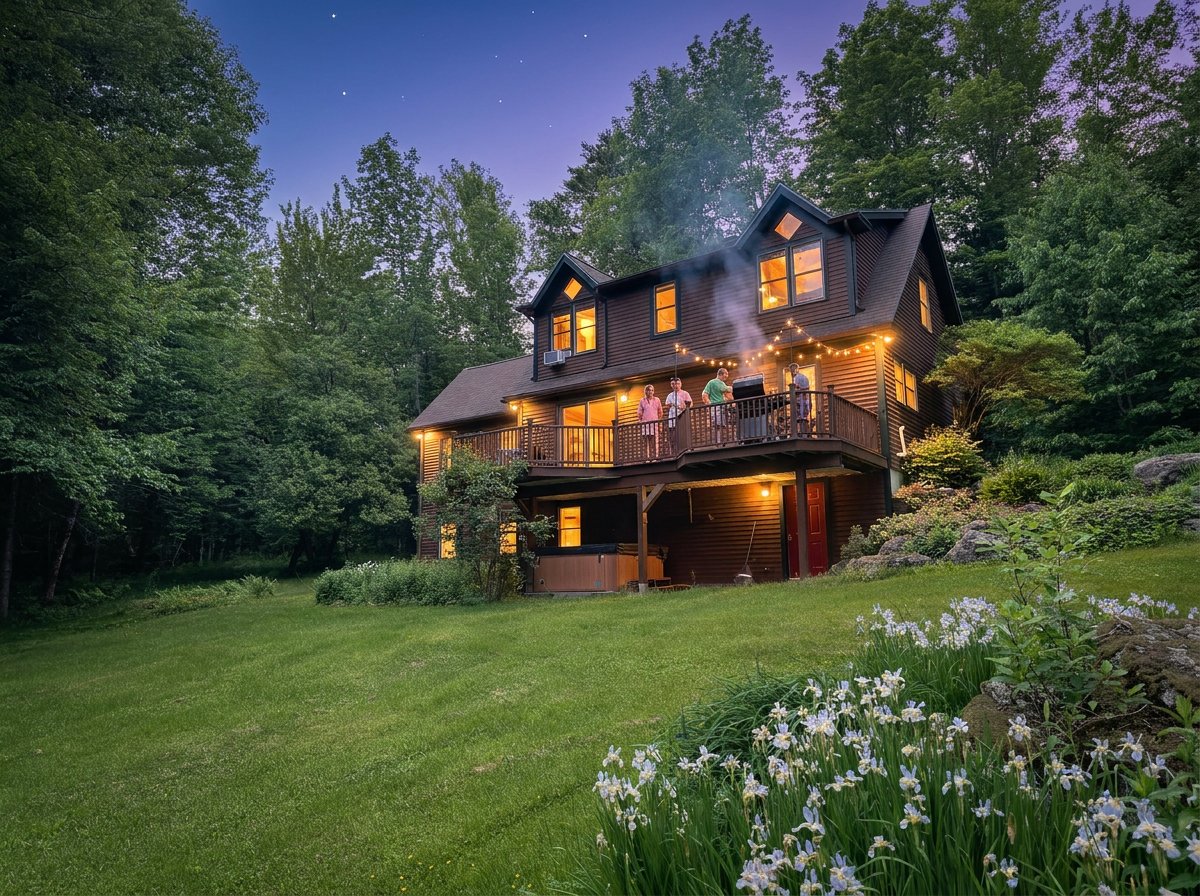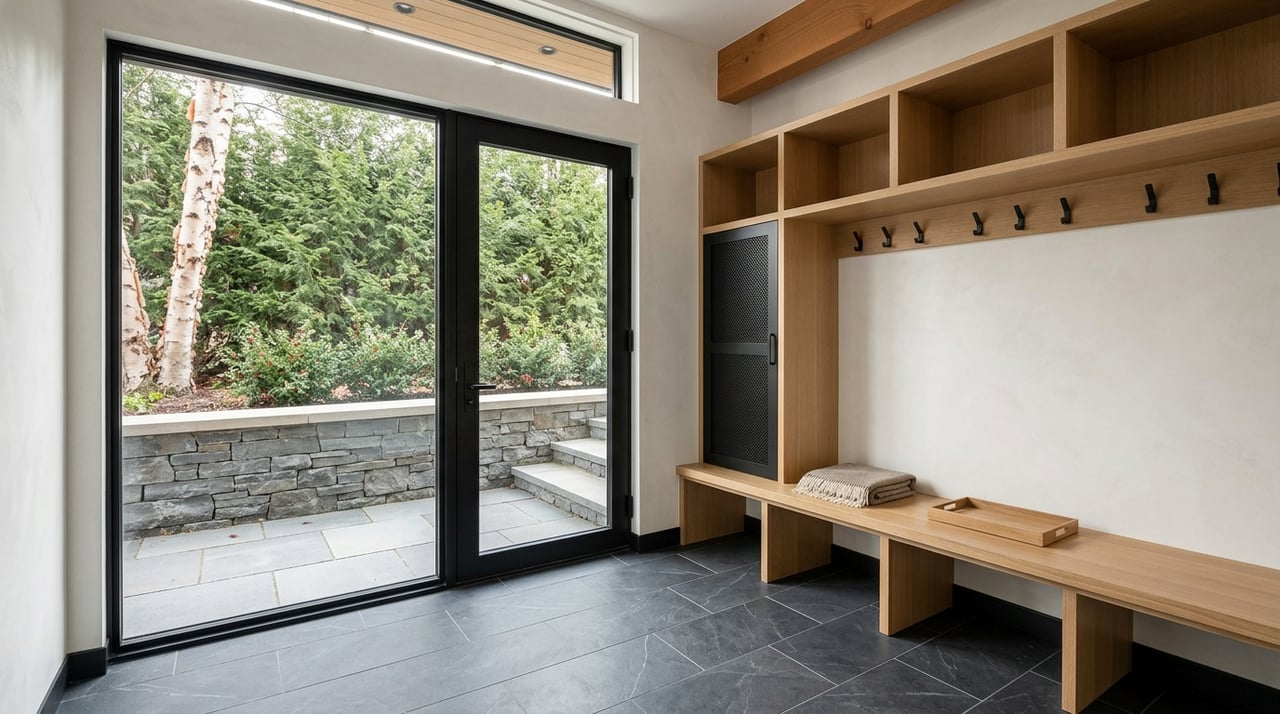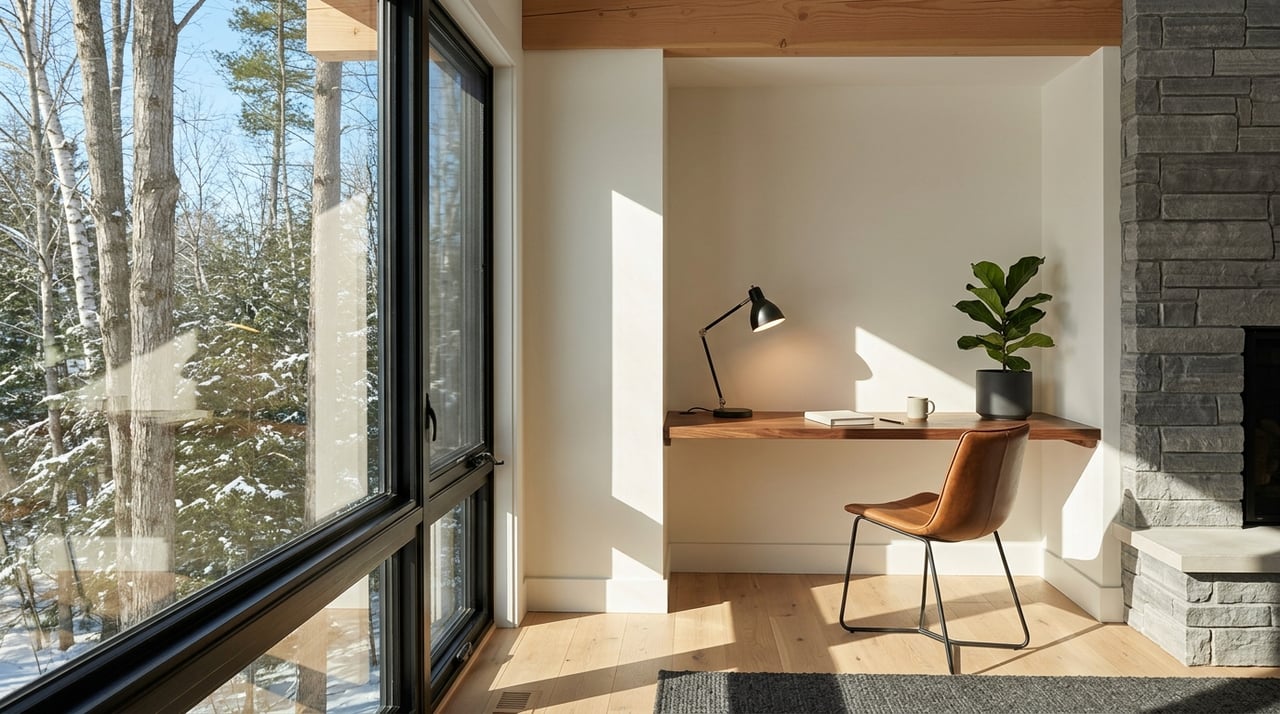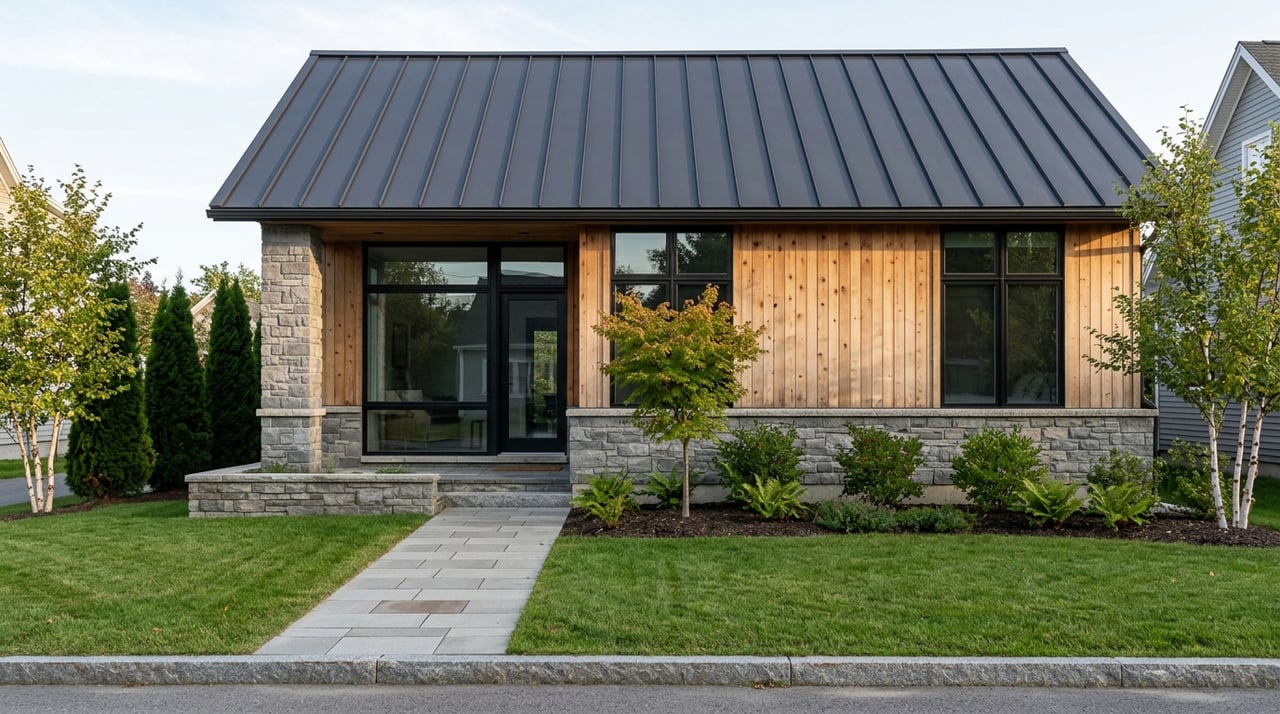
Wondering what your Stowe ski home would sell for right now? In a small resort market, a few standout sales or a shift in listing supply can move prices fast. You want a number that attracts strong offers without leaving money on the table. In this guide, you’ll learn how Stowe ski homes are valued, how ski access and short-term rental income shape price, and what to bring to a pricing meeting. Let’s dive in.
Where Stowe prices sit now
Stowe is a high-value, low-inventory market, so published medians vary. Zillow’s indexed home value placed the typical Stowe home around $1.04M as of January 31, 2026. Realtor.com’s December 2025 snapshot showed a median near $1.15M with a sale-to-list ratio around 96 percent. A local Q4 2025 broker report recorded a median of about $1.70M for single-family homes and roughly $725K for condos, with days on market rising in that quarter.
These differences are normal in a small resort town. Month-to-month dashboards often swing because of small sample sizes and methodology differences. That is why you should view any single data point as a range, time-stamped and read in context. Market trackers also note sharp monthly moves in resort areas due to seasonality and few high-end sales, which you can see in regional snapshots like Rocket’s Stowe market report. Short-term volatility in small-sample markets is common.
How valuation works in Stowe
Appraisers and experienced brokers rely on three proven methods: the sales comparison approach, the income approach for income-producing homes, and the cost approach for newer or unique builds. The sales comparison method is the usual starting point, then income or cost are layered in as needed. Learn more about these approaches from the Appraisal Institute. How appraisers develop value.
Sales comparison: your baseline
Your pricing conversation will start with recent comparable sales, pending deals, and active competition. Adjustments account for condition, bed and bath count, finished square footage, garage or parking, acreage, and views. In Stowe, you also adjust for resort features like proximity to the Spruce Peak base, shuttle access, and slope or lodge amenities.
Ski access is a real premium, but it is measured by what buyers actually paid in similar locations. Walk or drive time to lifts, slope views, and on-site services for condo hotels can all move value. For context on lift infrastructure and orientation, see the overview of Stowe Mountain Resort. Stowe Mountain Resort overview.
Income approach: when STR income matters
If your home has a short-term rental track record, the income approach can influence price. Brokers will review average daily rate, occupancy, and gross revenue, then net out operating costs to estimate net operating income. Dashboards for Stowe often show market-median ADRs roughly in the $360 to $406 range and occupancy in the mid-50 percent range, though well-located whole homes can outperform. Stowe ADR and occupancy snapshots.
To translate income into value, practitioners may use a gross income multiplier for quick screening and a capitalization rate for a fuller picture that includes expenses. The key is to use real booking statements, not guesses. How GRM works in practice.
Cost approach: new or unique builds
For new construction or highly unique homes, replacement cost can serve as a check on sales and income indications. Appraisers reconcile all credible approaches to reach a supportable range.
Ski home price drivers that matter
- Ski access and transit: Walk or short drive to Spruce Peak or Mansfield lifts, private or community shuttle, and ease of winter access for guests or owners.
- Views and orientation: Slope or range views, sun exposure, and outdoor living spaces that capture scenery.
- STR capability and rules: Town registration status, HOA rental policies, and required safety features. Compliance boosts buyer confidence for STR-focused purchasers. Stowe STR registration and rules.
- Condition and turnkey level: Updated systems, quality finishes, furnishings package, and storage like gear rooms or ski lockers.
- Parking and access: Garage bays, plow-friendly drive, and road maintenance arrangements.
- Walkability and recreation: Proximity to the 5.3-mile Stowe Recreation Path can support demand for four-season use. About the Stowe Recreation Path.
Seasonality and timing
Winter is the primary demand driver. Lift operations typically run mid-November through mid-April, with peak visitation and STR rates in December through February. Summer and foliage season add steady interest at different price points. If you want to catch winter buyers, pre-listing prep in fall and strong launch marketing in early season can help. Resort timing context for Stowe.
Decide your buyer, shape your price
Different buyers respond to different value stories. Second-home users often pay for turnkey condition, views, and privacy. STR-focused buyers center on revenue, calendar control, and management logistics. Year-round relocators may prioritize layout, storage, and access to town amenities.
Your list price and marketing should match the buyer you want. An investor pool may compare cap rates and prefer properties with clean books and proven occupancy. Private users may place more weight on unique features and move-in readiness. Knowing which group is largest at your price point helps you set the right number and presentation.
STR rules and why they matter for price
Stowe requires STR registration, a Designated Responsible Person able to respond on-site within 45 minutes during bookings, and a Fire Department approved lock box for first responders. Operators must collect and remit state meals and rooms tax, the statewide STR surcharge, and the town’s local option tax unless a platform remits on your behalf. These costs affect net income and therefore income-based value. Town of Stowe STR requirements.
Local leaders are also evaluating potential policy changes informed by the new STR registry. A cap or stricter licensing would influence investor demand and pricing assumptions, so confirm current rules before you market STR potential. News on possible STR caps in Stowe.
What to bring to a pricing meeting
- Recent comparable sales, plus active and pending listings for your segment, typically pulled from the regional MLS. About MLS data in Northern New England
- Property facts: accurate square footage, floor plans, septic or wastewater permits, mechanical updates, and any recent renovations.
- HOA or condo documents: dues, reserves, special assessments, and rental policies that affect demand.
- STR documentation if applicable: booking history, monthly occupancy, gross revenue, itemized expenses, and proof of town registration and tax accounts.
- Insurance details and any special coverages common to second homes.
Smart pricing strategy in today’s market
- Set a price band, not a single number. Use a sales-comparison baseline, then overlay STR income if it is material. Define low, likely, and stretch scenarios tied to real comps and offer terms.
- Launch with polished presentation. Professional photography, great copy, and clear amenity highlights help you win early showings and shorten days on market.
- Match timing to demand. A late-fall or early-winter list can capture in-season buyers. Spring and summer favor shoppers planning ahead for next winter.
- Be offer-ready. Decide in advance how you will handle furnishings, blackout dates, inspection items, and preferred closing timelines.
- Review market response weekly. If showings and saves lag the comp set, adjust price, presentation, or positioning by week two or three.
Common pitfalls to avoid
- Pricing from online medians alone without time stamps or comp support.
- Assuming a fixed “ski premium.” Value of lift access, views, or shuttles must be supported by nearby sales.
- Citing gross STR revenue without expenses. Buyers underwrite to net income and realistic management costs.
- Overlooking HOA rental restrictions that limit STR potential.
- Listing before you gather permits, STR registration, and safety documentation.
The bottom line
Pricing a Stowe ski home is about blending sales comps with the right local adjustments for ski access, STR capability, and timing. Expect a supported range, prepare strong documentation, and market the lifestyle that makes your property stand out. If you want a data-smart number and a marketing plan built for resort buyers, connect with Grant Wieler for a custom pricing consult.
FAQs
How do appraisers value a Stowe ski home?
- They start with recent comparable sales, then add income analysis for STR-capable homes and a cost check for new or unique builds.
Do Stowe’s STR rules affect my price?
- Yes. Registration, on-call response, safety access, and tax obligations impact net income and buyer confidence, which can shift income-based value.
When is the best time to list a ski home in Stowe?
- Many sellers aim for late fall or early winter to meet in-season buyers, though quality listings can perform in any season with the right strategy.
How much does ski access add to value?
- It depends on comps. Walk time to lifts, views, and on-site services are priced by what nearby buyers have recently paid, not by a fixed dollar amount.
What documents should I gather before a CMA in Stowe?
- Floor plans, accurate square footage, permits, renovation lists, HOA docs, STR booking and financial records, and proof of STR registration and taxes.
Will an appraisal match my list price?
- Not always. Appraisals follow defined methods and recent comps, while market offers can reflect unique features or buyer competition at that moment.