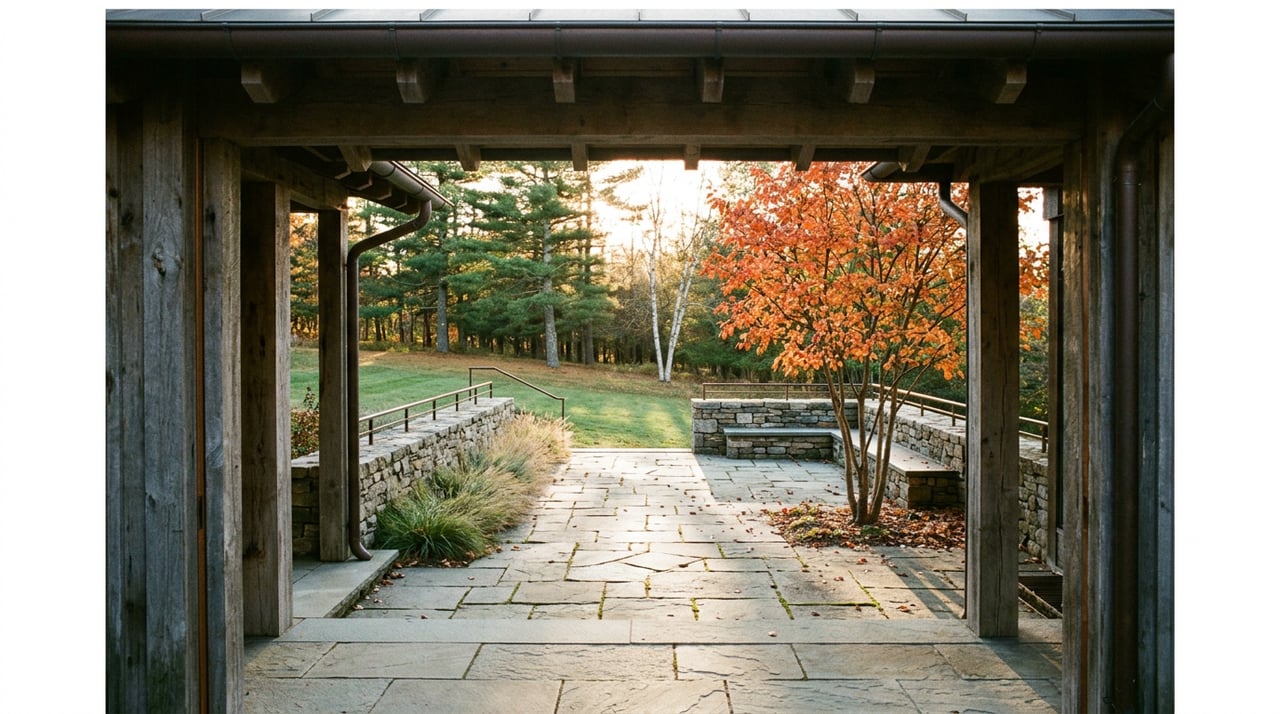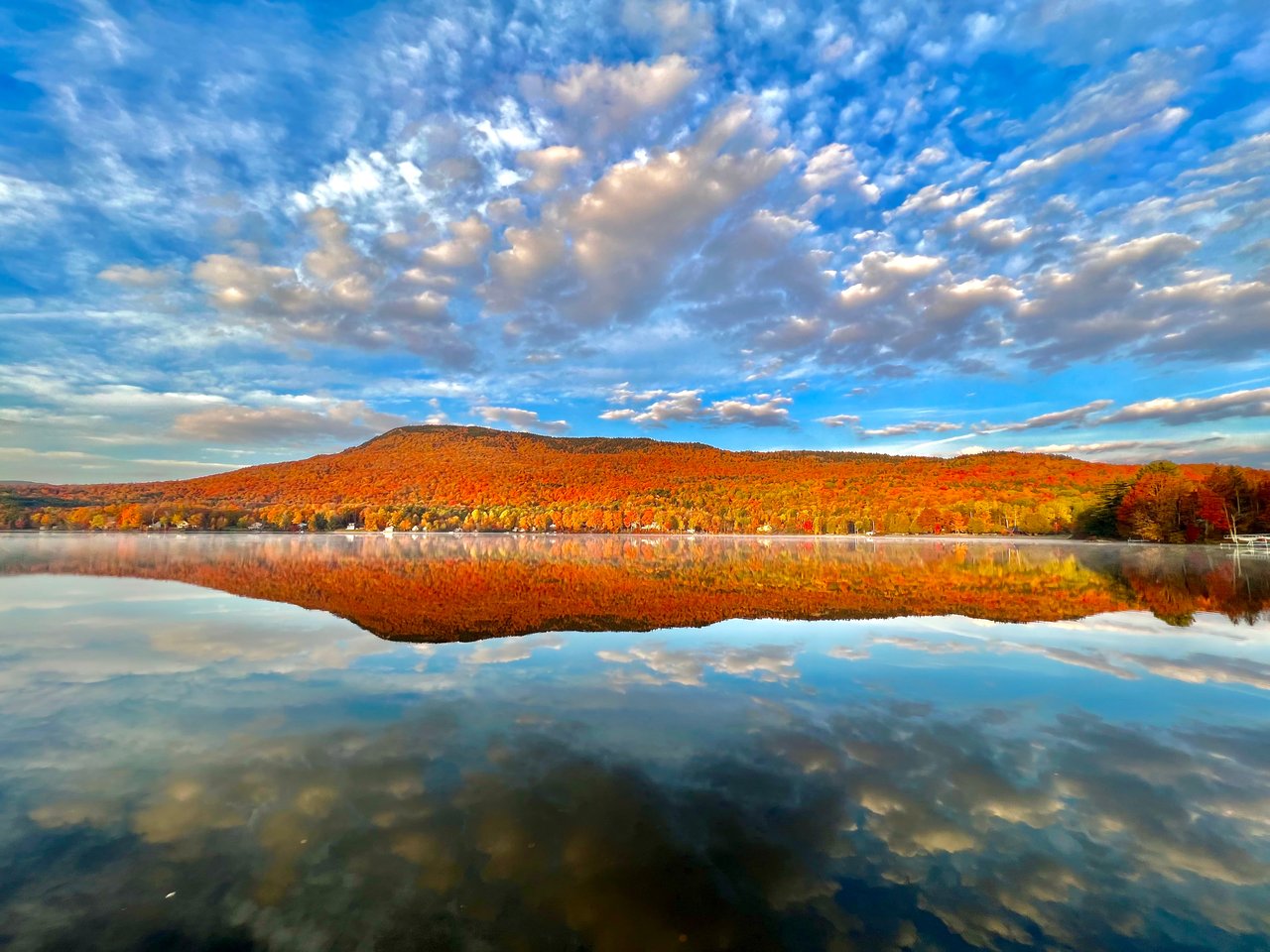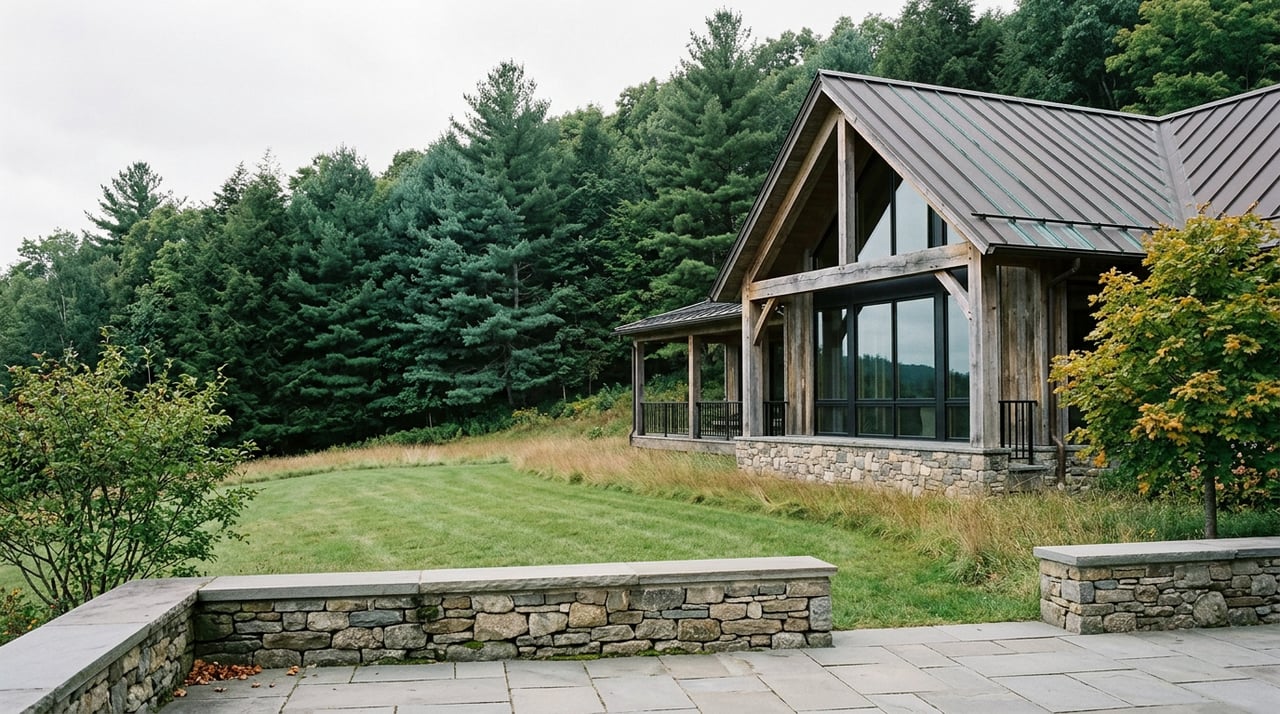
A buyer under contract on twenty-eight wooded acres off Elmore Mountain Road recently asked me a simple question: why is the seller's property tax bill so low. The land backs up to state forest, it has long views of Mount Mansfield, and the annual tax bill runs a few hundred dollars. It sounds like a mistake. It is not. The land is enrolled in Vermont's Current Use program, and the low bill is not a permanent gift. It is a loan from the state that comes due, with interest, at the exact moment someone tries to sell, subdivide, or build on that land.
Most people who buy or inherit forestland in Elmore hear the phrase "Current Use" and understand roughly half of what it means: enroll your forest or farmland, and your property tax drops because the state taxes the land at its use value instead of what it would fetch on the open market. What almost nobody explains clearly is the other half. That gap between use value and market value does not disappear. It sits on the deed as a contingent lien, and it gets called in the moment the land changes use, changes hands in the wrong way, or gets carved up for a house lot. In a town like Elmore, where forestland routinely sells for far more than its taxed value, that gap has grown large enough to catch buyers and sellers off guard at the closing table.
The Tax Break Everyone Hears About
Vermont's Current Use program, formally the Use Value Appraisal of Agricultural, Forest, Conservation, and Farm Buildings Property, dates to 1978. It lets the state tax enrolled forest and farmland based on what the land produces rather than what a buyer would pay for it. The Current Use Advisory Board set the 2026 use values on February 12, 2026: forest land at $208 per acre, agricultural land at $537 per acre, and remote forest land at $156 per acre. Compare that to what forestland actually sells for around Elmore and you start to see the shape of the problem.
More than 19,000 parcels are enrolled statewide, covering over 2.5 million acres, which works out to roughly a third of all the land in Vermont. This is not a niche program. It is the default tax treatment for a huge share of the forest and farm ground that surrounds Lake Elmore and Elmore Mountain, including working parcels currently on the market like Chase Mountain Forest off Route 12 and Eagle Ledge Forest at the end of a town road with views toward the Woodbury Mountain Range. Both are marketed in part on their timber value, which only makes sense once you understand that the tax bill and the timber value are two entirely separate numbers.
The Bill Comes Due at the Closing Table
Here is the part sellers and buyers both underestimate. If enrolled land gets developed, subdivided below the acreage minimum, or otherwise pulled from qualifying use, the state assesses a Land Use Change Tax on the withdrawn acreage. The rate depends on how long the land has been enrolled: 10 percent of fair market value if it has been in the program for ten years or more, 20 percent if it has been enrolled for less than ten years.
Run the math on a parcel that would sell for $800,000 once withdrawn from the program. At the 20 percent tier, that is a $160,000 bill. At the 10 percent tier after a decade of enrollment, it is $80,000. Either number lands on whoever triggers the withdrawal, usually the party building a house, carving off a lot, or selling acreage below the enrollment threshold. This is not a hypothetical fee buried in fine print. It is a real cost that shows up in the closing figures, and it scales directly with how much the land has appreciated since it went into the program.
That is the mechanism worth understanding if you are looking at land in Elmore right now: the longer a parcel has quietly appreciated while sitting in Current Use, the bigger the bill waiting on the other side of a withdrawal.
Why Elmore's Numbers Make the Gap Wider Than It Used To Be
The Land Use Change Tax is calculated on fair market value, not use value, which means the size of the penalty tracks the local land market, not the state's flat per-acre rate. That is exactly where Elmore has become an unusual case. Recent listing data for Elmore Town puts the average asking price for land at roughly $15,885 per acre. Set that beside the $208-per-acre forest use value the state assigned for 2026 and you get a gap of roughly 75 to 1 between what the land is taxed on and what it would sell for.
That gap did not exist at this scale when the Current Use program launched in 1978, and it is not evenly distributed across Vermont. Elmore's proximity to Lake Elmore, Elmore Mountain, and Elmore State Park, plus a thirty-minute drive to Stowe, has pulled land prices up faster than the state's use values have moved. Every year that gap widens, the eventual withdrawal penalty on any given acre gets larger, even though the annual tax savings the owner has been enjoying stays roughly flat. A parcel enrolled a decade ago at what looked like a modest tax break can carry a withdrawal penalty today that dwarfs what the owner ever saved.
Elmore State Park itself is a useful anchor for how this terrain got desirable in the first place. The town donated the original 30 acres around Lake Elmore to the state in 1936, and the park has since grown past 700 acres around a 219-acre lake with Elmore Mountain rising almost directly from its shore. That kind of setting is precisely what makes surrounding forest parcels sell well above their use value, which is precisely what makes the eventual Land Use Change Tax bill so much bigger than the tax bill anyone was expecting.
| Land classification (2026 use value) | Per-acre state tax value | Typical Elmore market ask per acre |
|---|---|---|
| Forest land | $208 | roughly $15,885 |
| Agricultural land | $537 | roughly $15,885 |
| Remote forest land | $156 | roughly $15,885 |
Two Deadlines That Have Nothing to Do With the Penalty Math
Even when a buyer and seller both understand the penalty, two separate clocks tend to catch people off guard.
The first is a filing deadline for buyers. If you purchase land already enrolled in Current Use and want to keep it enrolled, the transfer application and all required paperwork are due to the state's Current Use Program and the county forester within 30 days of the deed being recorded. Miss that window and the enrollment can lapse, which risks triggering the very penalty the buyer assumed they were avoiding by keeping the land in forestry use.
The second is a lender requirement that has nothing to do with the state at all. Because Current Use places a contingent lien on the property, most mortgage lenders require a lien subordination filing before their loan can take priority. That paperwork carries its own modest fee on top of everything else, and it is easy to overlook until a title company flags it days before closing.
There is a third detail worth knowing if you are eyeing a smaller parcel: Vermont requires a minimum of 25 contiguous acres of forestland to enroll, but the program also carves out a mandatory two-acre exclusion around any house site. In practice, that means a landowner needs at least 27 total acres to actually qualify, not 25. A parcel that looks like it clears the bar on paper can fall short once the homestead exclusion is applied.
What This Means If You're Buying or Selling in Elmore Right Now
None of this makes Current Use a bad deal. For an owner who intends to keep land in forest or farm use for decades, the annual tax savings are real and can run into the thousands of dollars a year on a larger parcel. The problem only shows up for the next generation of the transaction, when someone wants to build, subdivide, or sell part of a tract that has been quietly enrolled and quietly appreciating for years.
If you are buying enrolled forestland around Elmore, ask the seller how long the parcel has been in Current Use and get a straight answer on whether any portion is planned for a house site before you sign. If you are selling, talk to your attorney and the Vermont Department of Taxes early, before you carve off a lot, so the withdrawal penalty is priced into your expectations rather than discovered at the closing table. The Current Use Mapping Standards were revised effective May 31, 2026, and the state's older eCuse filing system was retired as of July 1, 2026, so even the mechanics of filing are worth double-checking against the current rules rather than assuming last year's process still applies.
A Few Questions Worth Asking Before You Sign
Does the penalty apply if I keep the land in forest or farm use after buying it? No. The Land Use Change Tax only applies to the specific acreage that gets developed or withdrawn. A buyer who keeps the entire parcel enrolled and continues the existing forest management plan does not trigger the penalty simply by purchasing the land.
What happens if I inherit enrolled land from a family member? Family members can generally step into the existing enrollment without restarting the clock on the ten-year penalty tier. A new owner who is not related to the previous owner, however, starts the enrollment period over, which matters if you are counting on reaching the lower ten percent penalty tier.
Can I enroll a smaller lot if I just want lower taxes on my yard? No. The 25-acre minimum, effectively 27 acres once the mandatory two-acre homestead exclusion is applied, rules out smaller residential parcels. Current Use is built for working forest and farmland, not for a wooded half-acre near the lake.
Land around Elmore rewards buyers who understand what they are actually taxed on and what they will eventually owe. If you are weighing a forest parcel, a camp lot, or a piece of land that has been sitting quietly in Current Use for years, Grant Wieler can help you get a clear read on the numbers before you write an offer or price a listing. Start Your Stowe Search today and bring the questions that actually matter to the table first.