Vermont Act 250: Why This 55-Year-Old Law Keeps Vermont's Mountains Off the Data Center Map
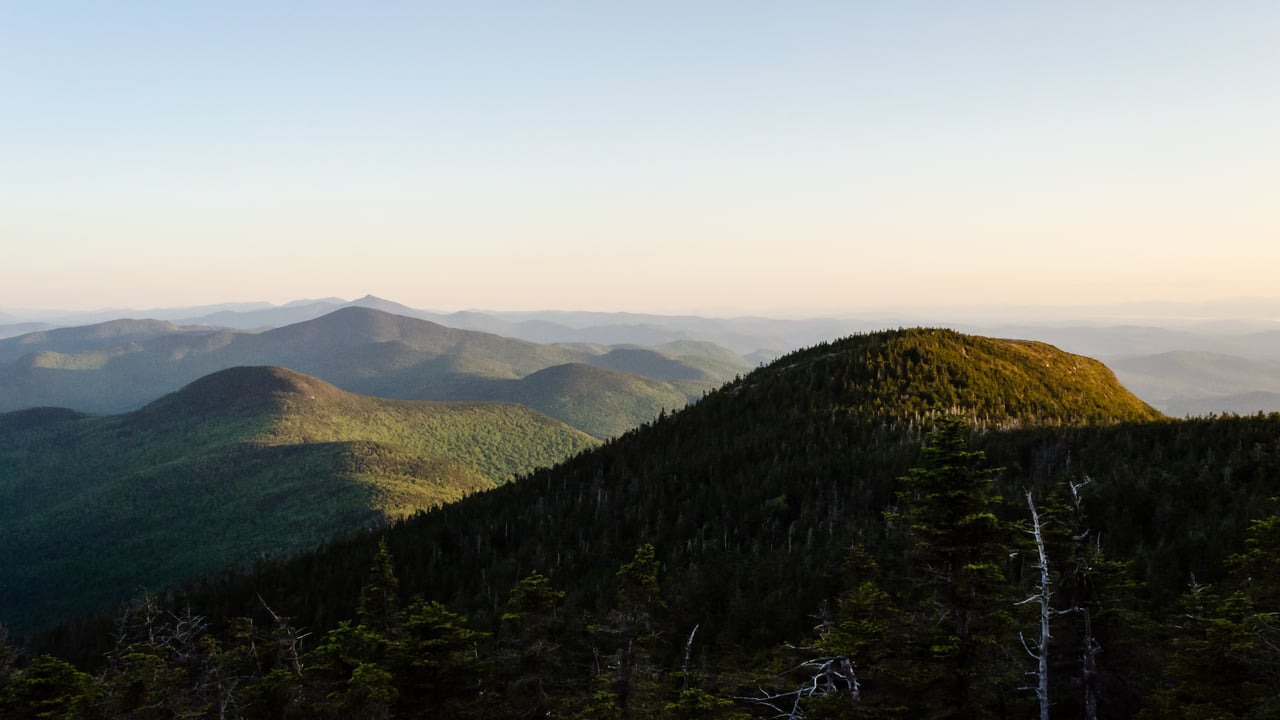
While tech giants and hyperscalers are racing to plant massive data centers across the American countryside — Virginia, Texas, Indiana, the Pacific Northwest — one corner of New England remains largely untouched. Vermont. More specifically, the Northern Vermont communities most people move here to be close to: Stowe, the Lamoille Valley, Jay Peak, the Mad River Valley.
That's not an accident. It's Act 250.
If you're considering buying property in Northern Vermont — whether that's a ski condo with rental income potential, a mountain home, or land — understanding Act 250 isn't just a legal footnote. It's one of the most important reasons the place you're buying into will still look and feel the way it does twenty years from now.
What Is Vermont's Act 250?
Act 250 (Title 10, Chapter 151 of Vermont Statutes Annotated) is Vermont's landmark land use and development law. It was enacted in 1970 — at a moment when Vermont was experiencing intense development pressure from ski resort expansion, second-home construction, and suburban sprawl spilling north from Massachusetts and New York.
The Vermont legislature saw what unchecked development was doing to other states and decided to draw a line. Act 250 created a public, quasi-judicial permitting process that requires developers to demonstrate their projects are environmentally sound and consistent with the public interest before they can break ground.
In plain terms: if you want to build something large in Vermont, you have to earn it.
Who Does Act 250 Apply To?
Act 250 applies to major commercial and residential developments — generally, any project involving 10 or more acres of land disturbance, 10 or more housing units, or any development above 2,500 feet in elevation. It also applies to state agencies and municipalities undertaking significant construction projects.
The law is administered by the Vermont Natural Resources Board and nine District Environmental Commissions spread across the state. These are real people from real Vermont communities who evaluate each application on its merits.
The 10 Criteria: A Gauntlet Most Industrial Projects Cannot Pass
Here is where Act 250 gets its teeth. Every applicant must satisfy all ten criteria before a permit is granted. Miss even one, and the project doesn't move forward. The criteria cover:
- Air and Water Pollution — The project cannot cause or contribute to undue air or water pollution.
- Water Supply — Sufficient water must be available from a source that won't be overburdened.
- Wastewater — The project must have adequate, legal means to handle its wastewater.
- Soil Erosion — Development cannot cause undue erosion or sedimentation into waterways.
- Traffic — The project cannot cause unreasonable congestion or hazardous traffic conditions.
- Educational Services — Developments that bring new residents cannot overburden local schools.
- Municipal Services — Projects cannot place an unreasonable burden on fire protection, roads, or other local services.
- Aesthetics, Scenic Beauty, and Historic Sites — Development must not have an undue adverse effect on the scenic or natural beauty of Vermont, or on historic sites.
- Agriculture and Primary Forest Soils — Prime agricultural land and forest soils must be protected.
- Local and Regional Plans — The project must conform to applicable local and regional land use plans.
For a data center — a facility that consumes enormous amounts of electricity, water for cooling, and physical land while generating significant noise and industrial-scale light pollution — hitting all ten criteria in a Vermont mountain community is essentially impossible.
Why Data Centers Hit a Wall Under Act 250
This is the part of the story that's directly relevant to what's happening in national headlines right now.
The artificial intelligence buildout has triggered an unprecedented land rush for data center sites. Hyperscalers — the largest cloud and AI infrastructure companies in the world — are searching for locations with cheap land, reliable power, and cooler climates (which reduce cooling costs). Northern Vermont checks many of those boxes on the surface: relatively affordable land compared to Virginia or Northern California, a cool climate, and access to power transmission corridors.
But Act 250's criteria create compounding barriers that are effectively insurmountable for large-scale industrial data center development:
Water Consumption
Modern data centers — especially AI inference and training facilities — use enormous volumes of water for cooling. A large facility can consume hundreds of thousands or even millions of gallons per day. Act 250's water supply and water pollution criteria require applicants to demonstrate that their water demand won't deplete or contaminate local aquifers or surface water. In Vermont's small watersheds, shared by farms, towns, and trout streams, that bar is simply not meetable for industrial-scale cooling operations.
Vermont's House Energy and Digital Infrastructure Committee has been actively examining this issue as recently as early 2025, with state environmental officials confirming that Act 250 and companion Department of Environmental Conservation permitting are the primary tools for managing data center water impacts — and that the thresholds are strict.
Energy Infrastructure
Vermont's electrical grid is not built for industrial-scale data center loads. A large AI data center can draw 200–500 megawatts of power — more than entire Vermont counties consume. Connecting such a facility to the grid would require transmission upgrades that would themselves trigger Act 250 review. The energy burden on municipal services criterion would kick in. And the local and regional plan conformance criterion would almost certainly fail in communities whose planning documents envision rural, recreational, or residential use.
Scenic and Aesthetic Impacts
Imagine a 500,000-square-foot windowless industrial building on the edge of the Stowe or Morrisville landscape. The aesthetics criterion under Act 250 exists precisely to prevent this kind of visual intrusion. Vermont's mountain communities have character that is not incidental — it is the product of deliberate land use decisions made over decades. Act 250 protects that character with legal force.
Soil and Forest Protection
Many of the large parcels that would be needed for a data center campus in Northern Vermont include prime agricultural land or productive forest soils — both protected under criterion nine. Paving over those soils triggers a review burden that most industrial applicants cannot satisfy.
The H.727 Signal
In 2025, the Vermont legislature is actively considering H.727, an act relating to sustainable data center development, which would explicitly add data centers to the definition of "development" subject to Act 250 review. The fact that this bill is being discussed signals two things: first, that there is real developer interest in Vermont sites; and second, that the state legislature views Act 250 as the right tool to manage that interest. Even if H.727 doesn't pass in its current form, the discussion makes clear where Vermont's political culture stands on the question of industrial development in its rural communities.
What This Means for Vermont Real Estate
Every one of Act 250's criteria is, from a real estate perspective, a protection.
When you buy property in Stowe, Morrisville, Hyde Park, or anywhere else in Northern Vermont's mountain communities, you're not just buying a building or a parcel of land. You're buying into a place. The views from your deck. The quiet on your street at 6 a.m. before you head out for a trail run. The working farms along Route 100. The fact that the ski mountain hasn't been surrounded by a ring of industrial facilities.
Act 250 is a significant reason that place has been preserved since 1970 — and a significant reason it will still look the same in 2040.
Short-Term Rental Investors Should Pay Attention
If you're evaluating Vermont properties for short-term rental income, Act 250's protections matter even more. The guests who book a ski condo in Stowe or a mountain house in the Lamoille Valley aren't booking a room — they're booking the Vermont experience. The moment that experience is degraded by industrial intrusion, the premium pricing power goes with it.
Vermont's regulatory environment is not a friction point for real estate investment. For lifestyle-oriented buyers and rental investors, it is a fundamental part of the value proposition.
For Buyers Comparing Vermont to Other Mountain Markets
One of the common questions I hear from buyers considering Vermont alongside other mountain real estate markets — Colorado, Montana, the Carolinas — is whether Vermont's character will hold. It's a legitimate concern. Markets that were "protected" a decade ago have seen rapid industrial and commercial development as remote work and infrastructure buildout have accelerated.
Vermont's answer to that concern is structural, not cultural. Act 250 isn't a zoning ordinance that a sympathetic town board can waive. It's state law with a 55-year track record. It has survived multiple rounds of challenge, amendment, and political pressure — and it is currently being strengthened, not weakened, in response to new development threats like data centers.
Frequently Asked Questions About Vermont Act 250
What exactly is Vermont's Act 250?
Act 250 is Vermont's land use and development law, enacted in 1970. It requires developers seeking to build large commercial or residential projects to obtain a state land use permit by satisfying ten environmental, social, and fiscal criteria. It is administered by the Vermont Natural Resources Board and nine District Environmental Commissions.
Does Act 250 apply to all development in Vermont?
No. Act 250 applies to major development — generally projects involving 10 or more acres of land disturbance, 10 or more housing units, or any construction above 2,500 feet in elevation. Smaller residential projects, including most single-family homes and small multi-family developments in designated growth centers, may be exempt or subject to reduced review under recent updates to the law.
Why would data centers struggle to get Act 250 permits in Vermont?
Data centers require large land footprints, enormous water supplies for cooling, significant electrical infrastructure upgrades, and generate industrial-scale light and noise impacts. Vermont's Act 250 criteria governing water supply, water pollution, scenic impacts, and conformance with local land use plans create compounding barriers that most large data center projects cannot satisfy in Vermont's rural mountain communities.
Does Act 250 affect property values in Vermont?
Yes, generally in a positive direction for existing property owners. By limiting large-scale industrial and commercial development, Act 250 preserves the scenic character, rural landscape, and quality of life that make Vermont mountain communities desirable. For buyers and investors in resort communities like Stowe and the Lamoille Valley, this regulatory protection is a meaningful contributor to sustained property values over time.
Is Vermont considering new legislation to address data centers?
Yes. In of 2025, the Vermont legislature considered H.727, which would explicitly add data center construction to the definition of "development" subject to Act 250 review. This reflects Vermont's ongoing commitment to applying its existing environmental review framework to emerging development pressures, including AI infrastructure.
Thinking About Buying Property in Northern Vermont?
Vermont has always been a place that rewards people who understand what they're buying into. Act 250 is part of that story — a legal framework that has kept Vermont Vermont through five decades of development pressure, and that is actively being tested and upheld in response to the current AI infrastructure boom.
If you're looking at property in Stowe, the Lamoille Valley, or anywhere in Northern Vermont's mountain communities, I'd love to talk through what this regulatory environment means for the specific properties you're considering — whether that's a ski condo, a mountain home, or a parcel with short-term rental potential.
Thinking about buying or investing in Vermont real estate? Let's connect. I know these communities the way I know the trails — from the inside out.
Grant Wieler is a licensed Vermont real estate broker and owner of Green Peak Properties, PLLC, based in Morristown, Vermont. He serves buyers, sellers, and investors across Northern Vermont, specializing in resort properties, ski condos, and short-term rental investments from Jay Peak to Stowe and the Mad River Valley.