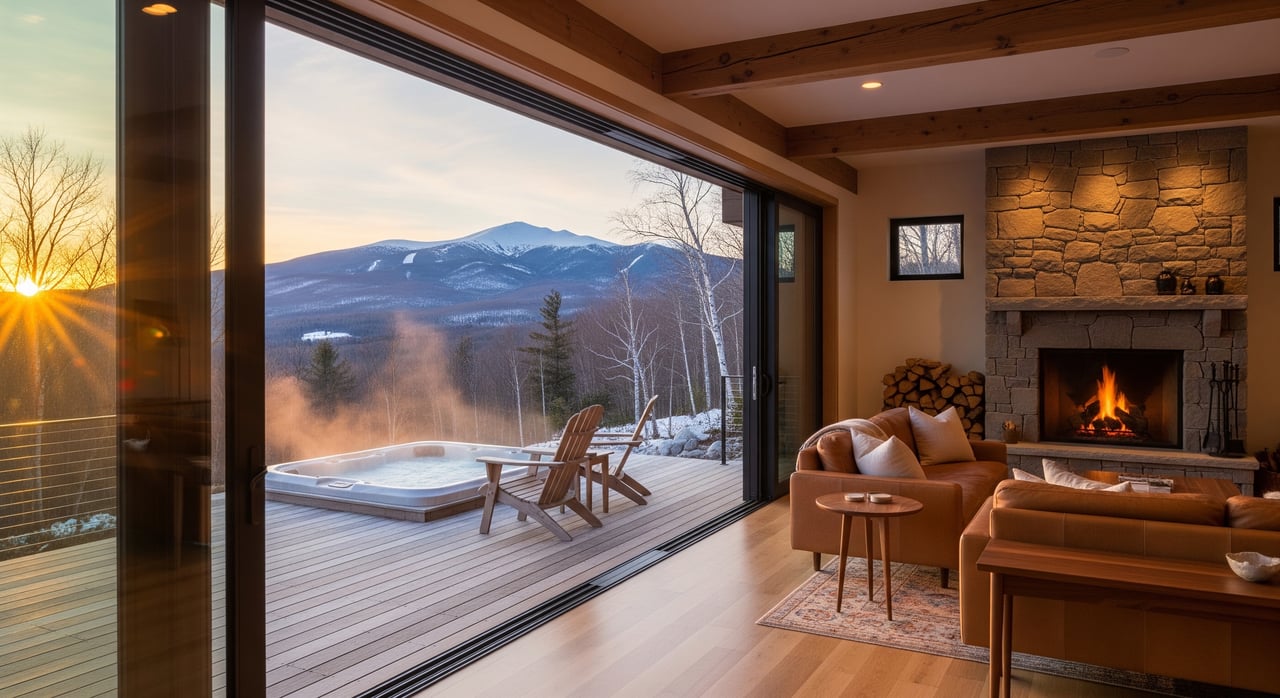
Picture pulling into your Stowe driveway on a crisp Friday evening, skis in the back and mountain views ahead. If you’re weighing a second home here, you’re likely chasing that feeling of escape, connection, and fresh air. You also want the facts on seasons, upkeep, access, and rental rules so you can buy with confidence. This guide walks you through what day‑to‑day ownership really looks like in Stowe so you can decide if it fits your lifestyle. Let’s dive in.
Second‑home lifestyle in Stowe
Stowe blends a resort heartbeat with a close‑knit year‑round community. You get world‑class skiing and riding in winter, vibrant foliage in fall, and a laid‑back outdoor rhythm in summer. Many second‑home owners come for long weekends or week‑long stays across seasons.
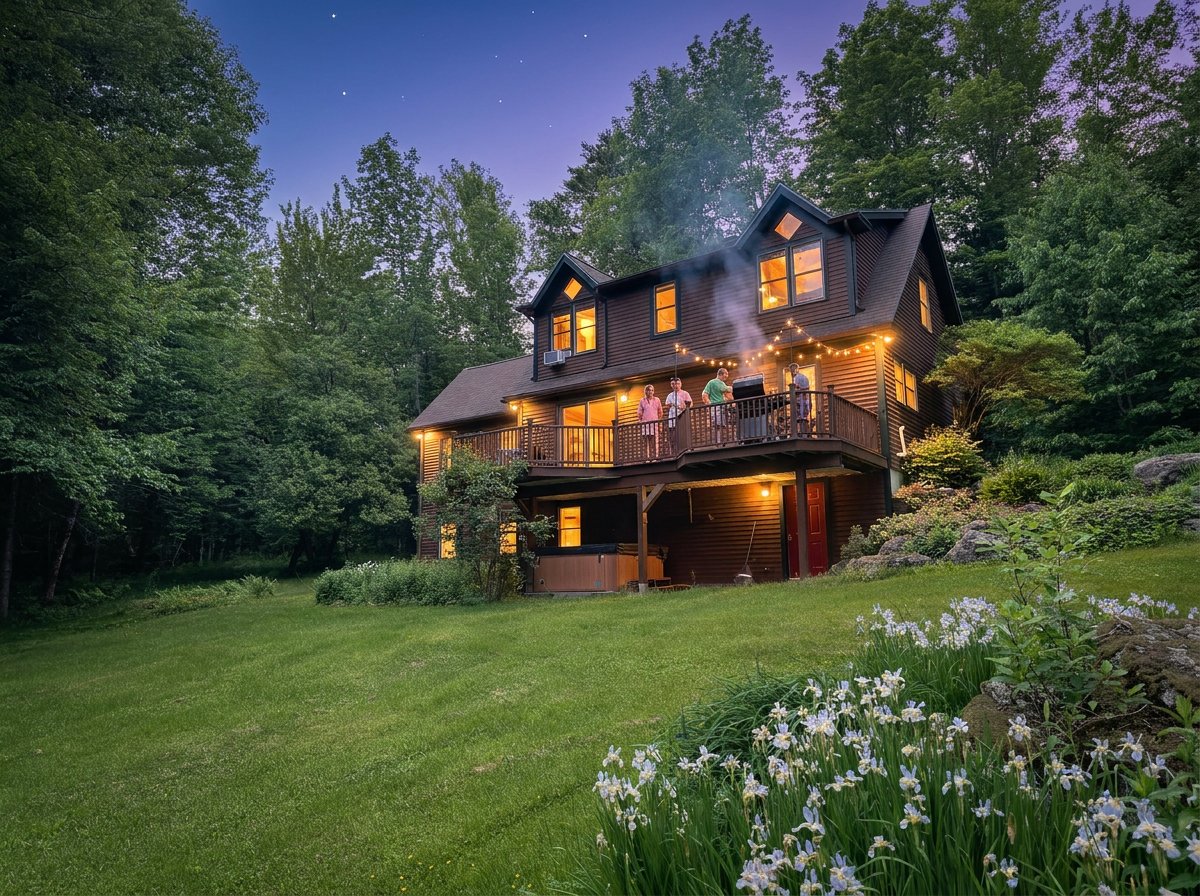
You’ll find a range of property types to match how you want to use the home. Some owners want turn‑key living with on‑site amenities. Others want a private retreat with more land and a classic Vermont feel. Either way, the town’s four‑season draw gives you options.
Property types and areas
You can tailor your search by lifestyle, maintenance level, and proximity to the mountain or village. Here’s how options typically break down:
- Condominiums and resort residences. Concentrated around Stowe Mountain Resort and Spruce Peak, plus spots in and near the village. These often include amenities like shuttles, pools, and concierge services. They appeal if you want low‑maintenance use and potential rental management.
- Single‑family homes. From historic village houses to mountain and rural properties with larger lots. Many use oil or propane heat or wood systems, with some newer heat‑pump installations.
- Townhouses and duplexes. Found in village and resort‑area developments. They are a middle ground between condos and detached homes.
- Ski‑in/ski‑out or ski‑adjacent residences. Limited and premium. These cluster near Spruce Peak and lift infrastructure.
- Older farmhouses and cabins. Often in outlying areas with more privacy and lower price per acre, but they typically require more maintenance.
Popular local areas to know:
- Stowe Village. Walkable core with restaurants, shops, and a mix of historic homes and smaller condos.
- Spruce Peak / Stowe Mountain Resort. High concentration of resort accommodations and services close to the lifts.
- Stowe Hollow, Waterbury Reservoir area, Moscow Road, and the Smugglers’ Notch region nearby. Rural and mountain neighborhoods with varied access to services.
- Nearby towns like Morrisville, Jeffersonville, and Waterbury. Useful for groceries, schools, and broader services.
Prices vary widely by property type, proximity to lifts or the village, and amenities. Ski‑adjacent and resort condos typically command a premium, and walkable village homes often do too. For current numbers, use local MLS data and recent comps when you get serious about a purchase.
Seasons and how you use it
Stowe is genuinely four‑season. Owning here means syncing your visits and maintenance with the calendar.
Winter highlights
Winter is peak season for skiing and snowboarding at Stowe Mountain Resort. Holidays and mid‑winter school vacation weeks are busiest. Village and resort restaurants and shops hum on big snow days.
Plan for winter realities. You’ll want reliable snow removal for driveways and walkways. If you leave the home vacant, prevent frozen pipes with proper heat settings and routine checks.
Summer rhythm
Summer draws families and friends for longer, more relaxed stays. You can hike, mountain bike, road cycle, and paddle. The Stowe Recreation Path is a favorite for easy rides and walks right near the village.
Expect a lighter, outdoors‑first vibe. Many owners use this season to complete small projects, refresh landscaping, and enjoy longer dinners in town.
Shoulder seasons
Spring mud season (April through May) is slower for tourism. Some businesses reduce hours, and properties benefit from spring checks after snowmelt. Late fall is a transition window after foliage and before consistent snow. It’s a practical time for chimney service, roof checks, and buttoning up outdoor spaces.
Year‑round takeaways
Across the year you can mix downhill and Nordic skiing, hiking, biking, paddling, and fishing. Fall foliage is its own season here. Local farmers markets, outdoor concerts, and community events pop up across the calendar. If you plan to rent the home at all, expect stronger demand in winter and fall, steady interest in summer, and softer shoulder months.
Travel and local services
Getting to and from your second home should feel straightforward, even in winter.
Getting here
The nearest major commercial airport is Burlington International Airport. Some owners also use larger hubs such as Boston Logan, Manchester in New Hampshire, or Albany in New York for connections or longer drives. Stowe is reached via Vermont state highways, and winter conditions can vary.
Winter driving prep
Many owners choose AWD or 4WD vehicles, mount winter tires, and keep emergency kits in the car. Build extra time into winter travel so you arrive safely and stress‑free.
Groceries and healthcare
Stowe village has shops and smaller grocery options. Larger supermarkets and wider retail choices are available in nearby Morrisville and Waterbury. For healthcare, Stowe’s immediate services are limited, with hospitals and medical centers in nearby towns and larger regional facilities in Burlington. For urgent or specialized care, plan on short drives to those locations.
Ownership costs and planning
Your budget will depend on property type, location, and how often you use the home. Common expense categories include:
- Property taxes and insurance. Vacation properties can carry higher premiums, and policies should reflect seasonal vacancy and rental liability if applicable.
- Heating and utilities. Many homes use oil or propane, wood, or a mix with newer heat pumps. Factor in winter electric usage for heating systems, well pumps, and monitoring equipment.
- Condo or HOA fees. If applicable, these often cover amenities, exterior maintenance, and sometimes shuttle services.
- Snow removal and landscaping. Plan for plowing, shoveling, and seasonal lawn or driveway work.
- Routine maintenance. Roof, deck, chimney, and exterior checks, plus septic service where applicable.
A practical approach is to set aside a maintenance reserve and adjust it as you get quotes from local contractors or a property manager. Older homes and rural properties may require more frequent attention.
Utilities, wells, septic, and permits
Many properties rely on private wells and septic systems. Build septic inspection, pump‑outs, and potential repairs into your annual plan. Some village homes are on municipal water and sewer, but confirm property by property.
If you’re planning renovations or subdivisions, connect early with the Town of Stowe land‑use department on permitting. Larger projects in Vermont can trigger additional review, including Act 250. Clear guidance up front helps you avoid delays.
Property management and upkeep
A local team can make second‑home ownership feel effortless.
- Property managers. Many firms offer guest services, routine inspections, winterization, snow removal, cleaning, and linen service. This reduces your time commitment, especially if you plan to rent occasionally.
- Housekeeping and turnover. Even without short‑term rentals, a cleaning schedule helps keep things fresh between visits.
- After‑storm checks. Having a local contact who can inspect the property after major snow or wind events is valuable, especially if you’re out of state.
- Quotes and references. Get multiple estimates and check references so you understand service levels and response times.
Short‑term rental basics
If part of your plan includes renting the home when you are not using it, go in with a clear roadmap.
Rules and taxes
Short‑term rentals in Vermont are subject to state taxes and rules for transient lodging and must comply with local ordinances. The Town of Stowe may require registration, safety standards, and compliance with zoning. Rental revenue is taxable, and owners or managers are usually responsible for tax collection and remittance. Always verify current requirements with the Town of Stowe and the Vermont Department of Taxes before you list.
Seasonality and income
Rental demand is highly seasonal. Winter ski weeks and fall foliage windows are historically strong. Summer can be steady thanks to hiking, biking, and water access. Spring mud season is typically softer. Gross revenue and net returns vary by location, quality, management approach, and restrictions like minimum stays or permitted nights. Use local comparable listings and manager reports for realistic projections.
Neighbor relations
Good communication goes a long way. Create clear house rules, limit noise, manage parking, and provide a local contact for neighbors. Compliance with waste and parking ordinances keeps you in good standing and supports community balance.
Smart buyer due diligence
Before you close, take a methodical approach so surprises stay off the closing table.
- Visit in multiple seasons, including winter and mud season, to understand access, traffic, and business hours.
- Confirm zoning, short‑term rental rules, and required registrations with the Town of Stowe.
- Ask about heating systems, utility sources, winterization history, and recent capital improvements.
- Get quotes for snow removal, housekeeping, property checks, and, if relevant, rental management.
- Gather rental comps and occupancy data from local managers or MLS history if income is part of your plan.
- Verify insurance options that cover seasonal vacancy and any rental exposure.
- Check proximity to groceries, pharmacy, emergency services, and hospitals based on your needs.
- Clarify permitting requirements for planned renovations and whether larger reviews could apply.
Is a second home in Stowe right for you?
If you want four‑season recreation, a friendly mountain town, and a home you can use across winter, summer, and everything in between, Stowe delivers. The key is matching your property type and location to how you will actually use the home, then setting up the right services so ownership stays simple.
When you are ready to explore neighborhoods, compare property types, or model potential rental use, connect with Grant Wieler for local guidance and a smooth, data‑aware search experience.
FAQs
How far is Stowe from a major airport?
- The closest major commercial airport is Burlington International Airport; owners often plan extra time in winter since road conditions can vary.
What heating systems are common in Stowe second homes?
- Many homes use oil or propane systems, some include wood heat, and newer installations may feature heat pumps; ask for service records and recent upgrades.
Can I rent my Stowe second home short term?
- Yes, but you must follow state and local rules, including registration, safety standards, and tax collection; verify current requirements with the Town of Stowe and the Vermont Department of Taxes.
What should I budget for maintenance each year?
- Plan for property taxes, insurance, utilities, snow removal, landscaping, and routine upkeep; refine your budget with quotes from local managers and contractors.
Which areas fit low‑maintenance, amenity‑rich living?
- Condos and resort residences around Spruce Peak and select village developments often include amenities like shuttles and concierge services that simplify ownership.
How do winters affect home care if I am away?
- Keep heat on to prevent frozen pipes, schedule routine property checks, and arrange reliable snow removal so access and safety are maintained after storms.